Why I Wrote Beyond the Uniform
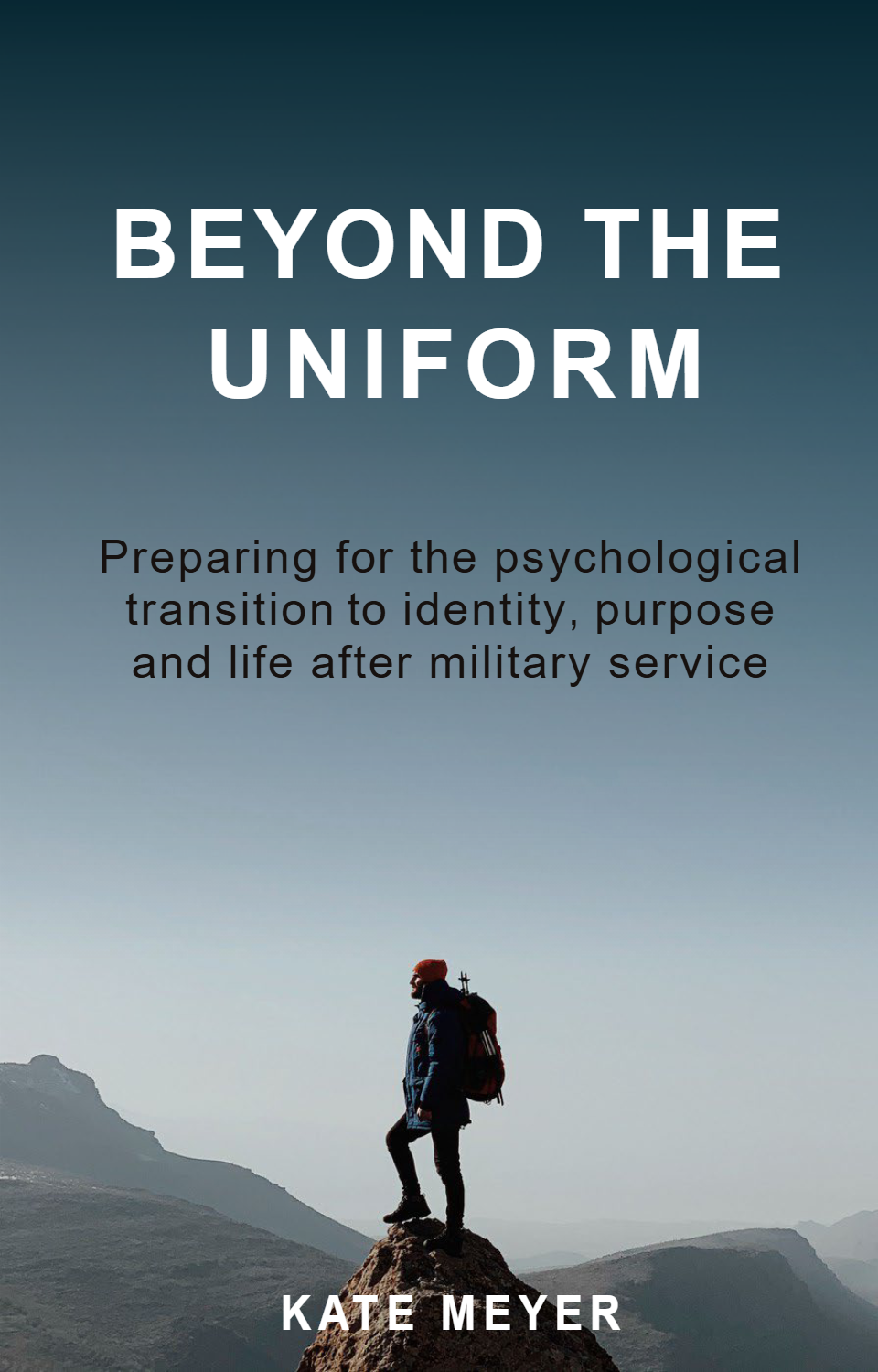
For more than 25 years, military life has been part of my professional world. As a psychologist, I've worked with people at many different stages of their military careers - from those just beginning, to people navigating demanding periods of service, to those preparing to leave.
And over the years, I've become increasingly interested in what happens at that other end of the journey. Leaving the military is often described as a transition to civilian life. On the surface, many of the things that need to happen are practical. There are decisions about employment, finances, housing, healthcare and what comes next.
But there is another transition happening at the same time. It's less visible, and often harder to prepare for. It's the transition in identity, purpose and belonging that can come with leaving something that has been a significant part of your life.
That was the starting point for Beyond the Uniform.
Leaving More Than a Job
Military service is unusual in the extent to which work and identity can become intertwined. It has its own language, traditions, routines and expectations. It provides structure and, for many people, a strong sense of belonging. There is often clarity about your role, what is expected of you and how your contribution fits into something larger.
Over time, those things can become so familiar that it's difficult to imagine what it will feel like when they're no longer there. That doesn't mean everyone struggles when they leave. Many people transition successfully and embrace the opportunities that come afterwards. Some are more than ready to move on.
But even a positive and voluntary transition can involve questions that are difficult to answer in advance. Who am I without this role? What will give my days structure? Where will I find the sense of purpose or connection I had before? What parts of military life will I miss? And what am I ready to leave behind?
These aren't questions that necessarily appear on a transition checklist. But I think they're worth asking.
Preparing Before the Final Day
One of the ideas at the heart of Beyond the Uniform is that psychological preparation for transition can begin well before someone actually leaves. We tend to think of transition as an event: the final posting, the farewell, the last day in uniform. But perhaps it's more useful to think of it as a process.
Long before the final day arrives, there is an opportunity to think about the parts of ourselves that exist beyond our work. The relationships we want to invest in, the interests we may have neglected, the things that give us a sense of meaning, the communities we belong to, and the possibilities we haven't yet explored.
Not because we need to have the next chapter perfectly planned. But because leaving one identity behind can feel very different when we've already begun imagining what else might be possible.
A Question That Became Personal
Perhaps my interest in transition has also grown because I've reached a stage in my own career where I'm increasingly aware that no professional identity lasts forever. After more than 25 years working within Defence, I understand something of how easily our work can become intertwined with who we are.
For a long time, being a military psychologist has been an important part of how I've understood my professional life. But it isn't all of who I am. I'm also a wife, mother, friend, traveller, writer and someone who remains curious about what might come next.
Writing Beyond the Uniform made me reflect on some of those questions myself. What do we want to carry forward from one chapter of our lives? What are we ready to leave behind?
And how do we create space for identities that may have been there all along, but haven't always had much room? I don't think those questions belong only to people leaving the military. Eventually, most of us will have to reconsider who we are when a role that has mattered to us changes or ends.
Why I Made It Free
When I wrote Beyond the Uniform earlier this year, I wanted it to be practical. I also wanted it to be accessible. The guide draws on my experience as a military psychologist as well as the voices and experiences of people who have navigated transition themselves. It isn't intended to prescribe what life after service should look like. There is no single version of a successful transition. Instead, I hoped it might encourage people to start thinking about some of the less visible parts of leaving service before they find themselves confronting them. That's also why I chose to make it freely available.
If someone approaching transition finds one idea in it that prompts a useful conversation, helps them think differently about what comes next, or reminds them that they are more than the role they're leaving behind, then it has done what I hoped it would do.
Beyond the Uniform
I don't think there is one right way to leave military service, any more than there is one right way to build a life afterwards. And perhaps we don't need to know exactly what the next chapter will look like before we begin it. But I do think there is value in starting to think about that life before the final day arrives. Beyond the Uniform was my attempt to help start that conversation.